The Silent Co-Pilot: How Blind Spot Sensors Fail and What It Costs to Fix Them
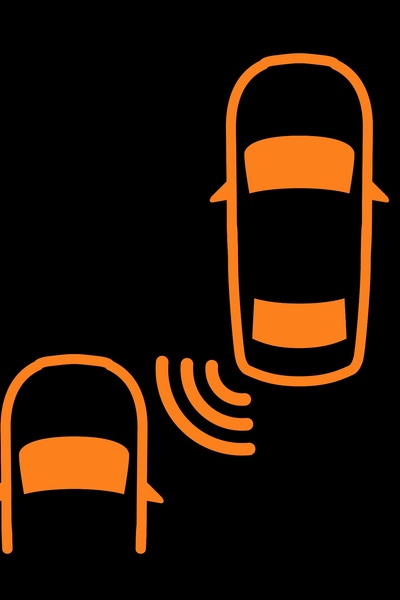
If you have driven a modern car, truck, or SUV lately, you have probably grown incredibly attached to those tiny icons on your side mirrors. The little amber or red glowing car symbols serve as a digital safety net, illuminating the exact second a vehicle slips into your invisible quarters. For many drivers, these blind spot monitoring systems have completely transformed the highway driving experience, taking the white-knuckle anxiety out of quick lane changes and busy merges.
Because we rely on these systems so heavily, it can feel like a major blow when they suddenly stop working.
The Hidden Tech Behind Your Rear Bumper
To understand why these systems fail, it helps to know where they actually live. Many drivers assume the sensor is located right inside the side mirror housing alongside the warning light.
In reality, the physical radar sensors are bolted deep underneath your rear bumper cover, completely hidden out of sight.
These tiny modules are highly advanced radar transceivers. They project an invisible, wide-angle electromagnetic beam outward and alongside your vehicle, scanning a detection zone that typically extends roughly ten feet past your rear bumper. When a vehicle enters that invisible field, the radar waves bounce back to the sensor, which alerts the central computer to illuminate the light in your side mirror.
The Three Main Reasons Blind Spot Sensors Fail
Because these sensors live right at the rear corners of your vehicle, they are exposed to a brutal environment. When a system goes dark, it almost always boils down to one of three common mechanical or electrical issues.
Minor Bumper Impacts: This is the single most common cause of failure we diagnose. Because the radar modules are mounted directly behind the plastic bumper skin, even a low-speed parking lot tap or a minor backup incident can break the delicate plastic mounting brackets. Even if your rear bumper looks completely flawless on the outside with zero paint damage, the hidden radar unit underneath can be knocked out of position by just a single degree. That fraction of a degree causes the radar to shoot blindly into the sky or down at the pavement, forcing the computer to shut the system down.
Moisture Intrusion and Corrosion: Your rear tires constantly kick up a brutal cocktail of rainwater, road grime, mud, and winter road salt directly into the inner bumper cavity. Over time, this constant moisture assault can breach the delicate weather seals on the sensor housing or rot the exposed electrical wiring connectors, causing a short circuit.
Thick Exterior Blockages: Sometimes, the system isn't broken at all; it is just temporarily blinded. If you have been driving through heavy winter slush, caked mud, or thick road salt, a dense physical crust can build up on the outside of your plastic bumper right over the sensor zone. This dense layer blocks the radar waves from escaping, triggering a temporary system fault.
The Reality of Repair Costs
When it comes to fixing a failed blind spot system, the overall cost varies significantly based on your vehicle's make, model, and the exact nature of the failure.
If you are incredibly lucky and the system is simply malfunctioning due to a thick layer of road debris or a loose plug, a professional cleaning and electrical connection repair might only run between $100 and $200.
However, if the radar module itself is electronically dead or physically smashed, you will need a complete replacement. A quality aftermarket or factory original radar unit generally costs anywhere from $200 to over $900 for the part alone, depending on whether you drive a standard commuter sedan or a luxury SUV with complex electronics. Combined with the professional shop labor required to carefully remove the entire rear bumper assembly, route the wiring, and install the module, a typical sensor replacement generally lands between $400 and $1,200 total.
Let Us Restore Your Total Peace of Mind
You do not have to guess about your vehicle's safety or drive with a stressful warning light glowing on your dashboard. Our team of experienced technicians has the specialized scanning tools, laser alignment targets, and mechanical expertise to diagnose your system safely, replace any damaged modules, and execute a flawless calibration.
Is a blinking warning light or a completely dead blind spot sensor taking the confidence out of your daily highway commute? Do not take chances when changing lanes in heavy traffic. Stop by Strande's Garage in Denton, TX or book your diagnostic and sensor calibration appointment online today.