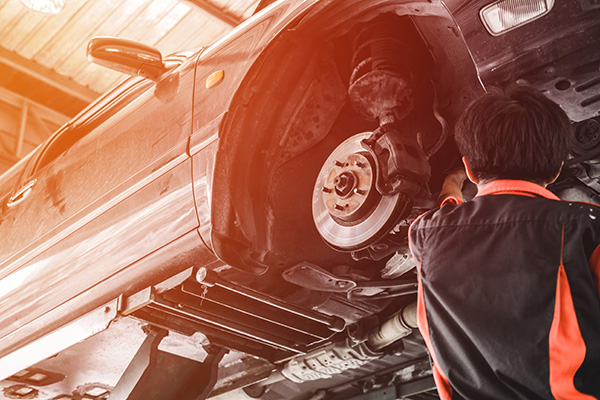
When people think about summer heat and car trouble, they usually think about batteries, overheating engines, or weak air conditioning. Brakes do not always make that list right away. But at our shop, we can tell you that hot pavement and high summer temperatures can absolutely affect your braking system, and often in ways drivers do not expect.
Your brakes already deal with heat every time you slow down. That is part of how they work. Braking creates friction, and friction creates heat. Now add blazing road temperatures, heavy traffic, extra passengers, summer road trips, and stop-and-go driving, and your brakes are dealing with more stress before you even press the pedal.
That does not mean your brakes suddenly stop working just because it is hot outside. It does mean that summer conditions can make existing brake issues more noticeable, speed up wear, and make the whole system work harder than it does during cooler parts of the year.
Your Brakes Already Run Hot By Design
A lot of drivers are surprised to learn just how much heat brakes normally generate. When you step on the brake pedal, the pads press against the rotors and convert the vehicle’s motion into heat. That is normal. In fact, that heat is a sign the brakes are doing their job.
The problem is that brakes are designed to handle a certain amount of heat, not endless amounts of it with no break in between. When outside temperatures are high and the pavement is baking, the braking system starts from a warmer baseline. Then every stop adds more.
This is why summer can feel harder on brakes even if your driving habits have not changed much. The system has less room to cool down between uses.
Hot Pavement Makes Stop-And-Go Driving Tougher
One of the biggest summer brake killers is not just heat by itself. It is heat plus traffic. When you are crawling through town, sitting in beach traffic, or inching along on a packed holiday weekend, you use your brakes constantly. You are not giving them much time to cool, and the road underneath the car is radiating heat the whole time.
That repeated use builds temperature in the brake pads, rotors, calipers, and fluid. A healthy system can usually handle that without much drama. But if the brakes are already worn, the fluid is old, or a caliper is dragging even slightly, summer traffic can bring that weakness out much faster.
This is one reason a driver may say, “My brakes felt fine until it got really hot out.” The heat did not create the wear, but it can absolutely expose it.
Heat Can Make Brake Fade More Likely
Brake fade is one of the biggest reasons hot conditions matter. Brake fade happens when the braking system loses effectiveness because it gets too hot. The pedal may feel different, the car may take longer to slow down, or the braking performance may feel less confident than it should.
Hot pavement can contribute to that by adding more overall heat stress, especially during:
- Long downhill driving
- Heavy traffic with frequent stops
- Driving with a full vehicle load
- Summer road trips at highway speeds followed by sudden braking
The hotter the brakes get, the more likely it is that friction material, rotor condition, or brake fluid performance starts to suffer. Even if full brake fade does not happen, high heat can still make the system feel weaker or less consistent than normal.
Brake Fluid Does Not Like Heat Forever
Brake fluid does a very important job. It transfers the pressure from your foot on the pedal to the braking components at the wheels. But brake fluid also has limits, especially if it is old or contaminated.
Over time, brake fluid can absorb moisture. That lowers its boiling point. In cooler, easier driving, that may not seem like a problem. In high summer heat with repeated braking, it can become one. If brake fluid gets too hot, its performance can drop, and the pedal may start to feel softer or less solid.
This is one reason brake fluid service matters more than people sometimes realize. It is not just an abstract maintenance item. It can affect how well the brakes hold up under stress.
Worn Brakes Feel Worse In Summer
A set of brake pads that are already getting thin may still stop the car. A rotor that is a little worn may still seem okay on a mild day. But summer heat has a way of making these “still okay” parts feel much less okay.
That is because worn brake components have less margin. They are already closer to their limit, so when heat goes up, performance drops off faster. Drivers may notice:
- More brake noise
- Longer stopping distances
- A rougher feel during braking
- Increased vibration or pulsing
- A brake pedal that does not feel as reassuring
This does not mean hot weather destroys brakes overnight. It means summer conditions are less forgiving when the brake system is already overdue for attention.
Extra Weight Makes Heat Build Faster
Summer often means road trips, family outings, beach gear, coolers, luggage, and full cabins. All of that extra weight matters. The heavier the vehicle, the more work the brakes have to do to slow it down.
Now combine that extra weight with hot pavement and long drives, and the system heats up even faster. This is especially noticeable on SUVs, vans, and vehicles carrying several passengers and cargo. Brakes that feel fine during a normal commute may feel much more strained when the vehicle is loaded down for travel.
From our perspective, this is one of the most common real-world summer patterns: same vehicle, same brake system, but very different demand because of heat and load.
Hot Roads Can Also Affect Tire Grip, Which Changes Braking Feel
Braking is not only about the brakes themselves. Tires play a huge role too. On extremely hot pavement, tire pressure changes, tire wear matters more, and overall grip can feel different depending on road condition and tire health.
If the tires are worn or improperly inflated, stopping can feel less stable, especially during sudden braking on hot roads. That can make drivers blame the brakes when the real issue is a combination of brake heat and reduced tire performance working together.
This is one reason we always think about the whole system. Brakes and tires do their jobs together.
Signs Summer Heat May Be Affecting Your Brakes
A few warning signs are worth paying attention to during hot-weather driving:
- Brakes feel weaker after repeated stops
- The pedal feels softer than usual
- The car takes longer to stop in traffic
- You notice a burning smell after heavy braking
- Brake noise becomes more common in summer driving
These symptoms do not always mean a major failure is happening, but they do mean the system deserves a closer look.
What You Can Do To Protect Your Brakes In Summer
The smartest summer brake strategy is a mix of maintenance and driving habits. You do not need to be nervous about warm-weather driving, but you do want to be realistic about the extra stress your brakes are under.
A few smart habits help a lot:
- Have your brakes inspected if they are already noisy, soft, or vibrating
- Stay on top of brake fluid service when due
- Leave more following distance in summer traffic so you are not braking as aggressively
- Avoid riding the brakes on long descents
- Be especially cautious when the vehicle is packed with passengers or cargo
None of this is complicated, but it can save your brakes from unnecessary heat buildup and save you from larger repairs.
Summer Heat Exposes Weak Brakes Fast
That is really the main takeaway. Hot pavement does not magically create brake problems, but it does make existing ones much harder to ignore. If your pads are worn, your fluid is old, your rotors are tired, or your driving conditions are tough, summer will often be the season when those weaknesses finally show themselves.
Visit Strande's Garage in Denton, TX, where we can inspect the pads, rotors, brake fluid, and overall system to help keep your stopping power strong all summer long.
Call us today or stop by for a detailed a brake inspection.